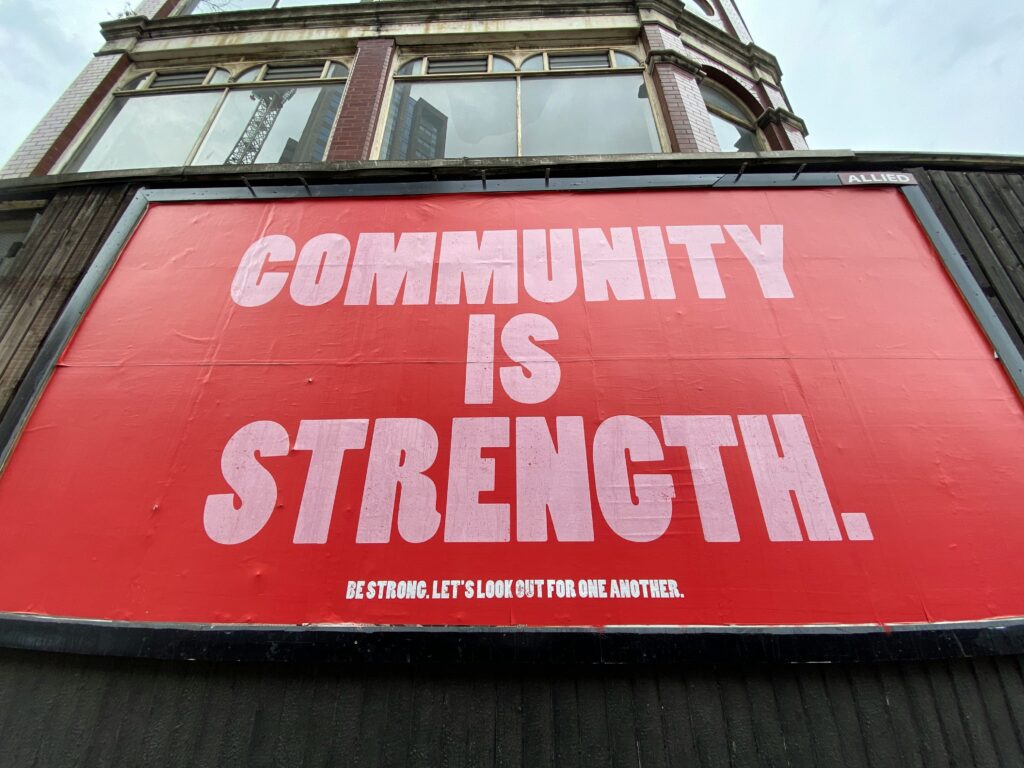
When we recognize that health is something broader than food or fitness, a question arises:
Who else contributes to whole health?
The answer may be broader than most people expect.
If health is truly about wholeness, then many different kinds of people contribute to it.
Even local businesses that may not think of themselves as “wellness” businesses contribute to the health of a community when they create gathering spaces, provide nourishing food, or support local relationships.
Health Is More Than Healthcare
When people hear the word “health,” they often think of doctors, hospitals, and medical treatment.
Those are essential parts of our health systems.
But health is shaped long before someone enters a clinic.
It is shaped by the food we eat, the environments we live in, the relationships we build, and the meaning we find in our daily lives.
Because of this, the people who contribute to health extend far beyond traditional healthcare.
Practitioners and Guides
Many people dedicate their work directly to helping others improve their wellbeing.
This might include:
- massage therapists
- chiropractors
- yoga teachers
- physiotherapists
- counsellors and therapists
- naturopaths and herbalists
- meditation teachers
- fitness coaches
These practitioners support physical, emotional, and mental wellbeing through their skills and knowledge.
They are an important part of the whole health ecosystem.
Nourishment and the Land
Food is one of the most fundamental pillars of health.
Because of that, the people who grow, prepare, and distribute food play a vital role in community wellbeing.
This includes:
- farmers and growers
- farm stands and farmers markets
- health food stores
- restaurants focused on nourishing food
- herbal product makers and natural food producers
These individuals help sustain the physical wellbeing of the community.
Community Builders
Health also depends on connection.
Humans are social beings, and the quality of our relationships can strongly influence our wellbeing.
People who create spaces for community also contribute to health.
This might include:
- community organizers
- educators and workshop leaders
- artists and cultural creators
- wellness spaces and gathering places
Their work helps strengthen relationships and shared meaning.
The Whole Health Ecosystem
When you look at a thriving community, you begin to see how all of these roles interact.
Farmers provide food.
Movement teachers support physical vitality.
Counsellors support emotional wellbeing.
Artists inspire creativity and reflection.
Local businesses create opportunities for connection and exchange.
Together they form a network of people who support the wellbeing of the community.
An Inclusive Philosophy
WholeHealth.guide is built around a simple principle:
Anyone who contributes to the health and wellbeing of others within their community belongs in the whole health ecosystem.
Different practitioners bring different approaches and philosophies.
That diversity is part of what makes the ecosystem vibrant.
The goal of the guide is not to define a single path to health, but to make the many different paths visible.
Mapping the Ecosystem
WholeHealth.guide exists to help map this ecosystem.
By bringing together practitioners, businesses, and community resources in one place, the guide helps people discover the many ways they can support their wellbeing.
At the same time, it helps practitioners discover each other and strengthen the networks that make community health possible.
Because when we begin to see how many people contribute to the health of a community, we realize something important:
Health is not created by any one person or profession.
It emerges from the relationships between us all.
WholeHealth.guide makes these connections more visible.



Leave a Reply